Mon
1
Choose date & time
›General


CRM


Admin


Calendar
 Anna Lewis
Mon
1
Tue
2
Wed
3
Thu
4
Fri
5
Sat
6
Sun
7
Mon
8
Tue
9
Wed
10
Thu
11
Fri
12
Sat
13
Sun
14
Mon
15
7
8
9
10
Break
Break
Break
Break
Cosmetologist consultation
Iris Parker
Status
New bookingPrice
€30
7:00 - 8:00
Nail strengthening
Victoria Lane
Status
New bookingIncome
€12
7:00 - 8:00
Facial cleansing
CancelledPrice
€20
8:00 - 8:30
RF face lifting
Anna Lawson
Status
New bookingIncome
€80
8:30 - 10:00
Lip contouring
Sophia Mills
Status
Repeat bookingIncome
€160
8:00 - 9:30
Cosmetologist consultation
Alina Summers
Status
ConfirmedIncome
€35
9:00 - 10:00
Biorevitalization
ConfirmedIncome
€420
11:00 - 12:30
RF face lifting
Iris Parker
Status
New bookingIncome
€70
13:00 - 14:00
Visible hours


Emma Johnson
PersonalHair extension specialist
Helping create natural volume and length without compromise.
174 clicks


Link grid


Employee schedule
Set up working days and hours for this employee.

Amelia
Dentist • 40 hours / week
Working hours
Breaks
Time off
Weekly schedule
Monday
10:00
18:00
Tuesday
10:00
18:00
Wednesday
10:00
18:00
Thursday
10:00
18:00
Friday
10:00
18:00
Saturday
Day off
Sunday
Day off
Weekly total
40 h
Break
Monday - Friday
1 hour
13:00 – 14:00
Cleaning
Monday - Friday
30 minutes
18:00 – 18:30
Breaks are automatically blocked in the calendar. Clients can't book time during breaks.
Leave balance
Total
24
days
Used
7
days
Remaining
17
days
Pending
1
request
Annual leave
Mar 24 — Mar 28, 2026
Approved
5 days
Sick leave
Feb 10 — Feb 11, 2026
Approved
2 days
Personal day
Apr 15, 2026
Pending
1 day
Apply to all working days
Monday through Friday will share the same schedule.
Cancel
Save
Psychologist consultation
€60
Booking payment
Psychologist consultation
€60


Pay €60
Service performance




€4,290
total revenue
Lip contouring
RF lifting
Facial cleansing
Other
Services
Bookings
Revenue

Lip contouring
14
€1,590

RF lifting
18
€1,350

Facial cleansing
24
€840

Consultation
17
€510
New clients
+24
+16%
New booking
A client booked a service through the widget
SMS
Your booking is confirmed!
10:30
Reminder
A friendly reminder about your appointment tomorrow at 15:00. Have a great day!
15:00
After visit
Thank you for your visit! Please take a moment to leave a review🙏
18:30
SMS
Pending
Reminder
Pending
Review
Pending

How to create a Link-in-Bio page for creators in 2026
How to create a Link-in-Bio page for creators in 2026
How to create a Link-in-Bio page for creators in 2026
How to create a Link-in-Bio page for creators in 2026
Need help?
Find the answer in the help center or write to us.

ELROI
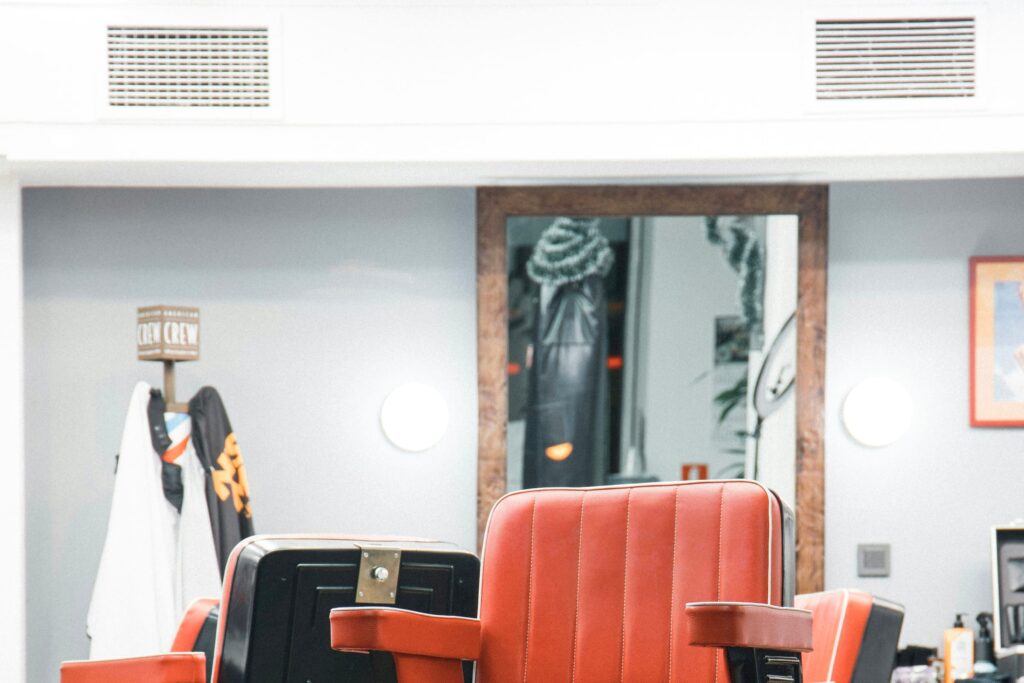
A no-show is not simply one booking less. It is an hour that cannot be sold after the fact, a prepared workstation, materials already used, and a client who was turned away because that slot was taken. Worst of all, no-shows are uneven: a quiet week, then three empty windows on a Saturday.
So the thing to work on is not the symptom but the causes. There are only a few, and almost every one is fixed by organisation rather than by the character of your clients.
The most common reason and the easiest to fix. The person booked two weeks ago in a chat, the message got buried, nothing landed in their calendar. A reminder a day before and a few hours before removes most of these.
Cancelling is awkward: write a message, wait for a reply, sometimes explain yourself. Not turning up is easier. When cancelling takes one tap and no conversation, the slot is freed in advance — and can still be sold.
A client holds two slots with different stylists, or keeps one while their plans settle. That is nearly always a sign that the booking costs nothing: no confirmation, no deposit, not even a reply required.
They thought it was twenty minutes; the treatment takes two hours. Or they expected a different price. These no-shows are created at the moment of booking, when a service is described in one word with no duration and no cost.
Texts are expensive, email is not always opened, messengers almost always are. A reminder the day before and a few hours before the visit is the minimum, and it has to be automatic rather than dependent on the receptionist remembering.
It sounds backwards: why make it easy for a client to back out? Because they will back out anyway; the only question is whether you learn about it a day ahead or when the chair stays empty. Put a “reschedule” link next to the reminder and some cancellations turn into new times.
The market has used this for years: marketplaces such as Treatwell run online prepayment as a service of its own, and Fresha built payments into the booking itself. The point is not the money but the commitment: people show up for time they have paid for.
A sensible middle ground is a deposit only on long, material-heavy services, and none on a haircut or a manicure.
When a slot frees up three hours before the visit, it burns unless somebody hears about it. A list of people who wanted an earlier time turns a cancellation into a booking. It is the cheapest way not to lose the hour.
Agreements work when they are simple and visible before the booking:
The last one is the delicate part. Nobody should be punished for being ill once. But a client who keeps not turning up should be booking with a deposit — otherwise the stylist pays for them.
No-shows never disappear entirely. The goal is not zero, it is hearing about them early enough to sell the time to somebody else.
In Bookly a booking lands straight in the calendar, the client sees the service with its duration and price, and the visit history stays on the client card — so you can see who has failed to show before. Reminders go through the Telegram bot, and cancelling or rescheduling needs no messages.
One honest note: online payments and deposits are something we are preparing, as are SMS reminders. Until they land, the effective pair is a messenger reminder and an easy way to move the visit.
Enjoyed the article?
Share it with colleagues, friends, or business owners — it might help them avoid common mistakes.