Mon
1
Choose date & time
›General


CRM


Admin


Calendar
 Anna Lewis
Mon
1
Tue
2
Wed
3
Thu
4
Fri
5
Sat
6
Sun
7
Mon
8
Tue
9
Wed
10
Thu
11
Fri
12
Sat
13
Sun
14
Mon
15
7
8
9
10
Break
Break
Break
Break
Cosmetologist consultation
Iris Parker
Status
New bookingPrice
€30
7:00 - 8:00
Nail strengthening
Victoria Lane
Status
New bookingIncome
€12
7:00 - 8:00
Facial cleansing
CancelledPrice
€20
8:00 - 8:30
RF face lifting
Anna Lawson
Status
New bookingIncome
€80
8:30 - 10:00
Lip contouring
Sophia Mills
Status
Repeat bookingIncome
€160
8:00 - 9:30
Cosmetologist consultation
Alina Summers
Status
ConfirmedIncome
€35
9:00 - 10:00
Biorevitalization
ConfirmedIncome
€420
11:00 - 12:30
RF face lifting
Iris Parker
Status
New bookingIncome
€70
13:00 - 14:00
Visible hours


Emma Johnson
PersonalHair extension specialist
Helping create natural volume and length without compromise.
174 clicks


Link grid


Employee schedule
Set up working days and hours for this employee.

Amelia
Dentist • 40 hours / week
Working hours
Breaks
Time off
Weekly schedule
Monday
10:00
18:00
Tuesday
10:00
18:00
Wednesday
10:00
18:00
Thursday
10:00
18:00
Friday
10:00
18:00
Saturday
Day off
Sunday
Day off
Weekly total
40 h
Break
Monday - Friday
1 hour
13:00 – 14:00
Cleaning
Monday - Friday
30 minutes
18:00 – 18:30
Breaks are automatically blocked in the calendar. Clients can't book time during breaks.
Leave balance
Total
24
days
Used
7
days
Remaining
17
days
Pending
1
request
Annual leave
Mar 24 — Mar 28, 2026
Approved
5 days
Sick leave
Feb 10 — Feb 11, 2026
Approved
2 days
Personal day
Apr 15, 2026
Pending
1 day
Apply to all working days
Monday through Friday will share the same schedule.
Cancel
Save

Psychologist consultation
€60
Booking payment
Psychologist consultation
€60


Pay €60
Service performance




€4,290
total revenue
Lip contouring
RF lifting
Facial cleansing
Other
Services
Bookings
Revenue

Lip contouring
14
€1,590

RF lifting
18
€1,350

Facial cleansing
24
€840

Consultation
17
€510
New clients
+24
+16%
New booking
A client booked a service through the widget
SMS
Your booking is confirmed!
10:30
Reminder
A friendly reminder about your appointment tomorrow at 15:00. Have a great day!
15:00
After visit
Thank you for your visit! Please take a moment to leave a review🙏
18:30
SMS
Pending
Reminder
Pending
Review
Pending

How to create a Link-in-Bio page for creators in 2026
How to create a Link-in-Bio page for creators in 2026
How to create a Link-in-Bio page for creators in 2026
How to create a Link-in-Bio page for creators in 2026
Need help?
Find the answer in the help center or write to us.
Planned work such as a boiler service, a tap swap or moving a radiator: clients book themselves and see an arrival window rather than “sometime this afternoon”. There is room left for the emergency because the whole day sits in one diary, and what you already fitted at that address stays in the Bookly CRM.
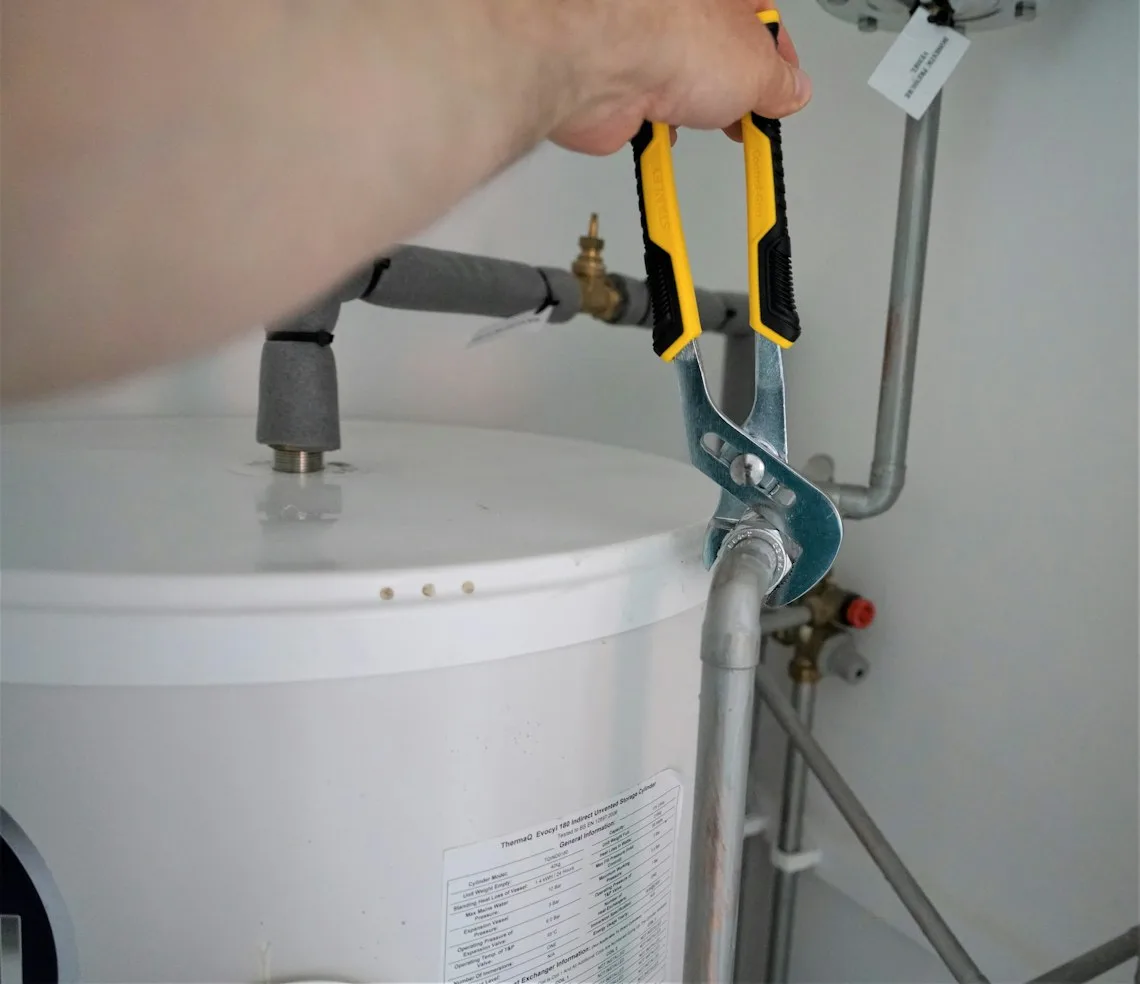
An evening is enough: the jobs with their lengths, the buffer for the drive, and a link you can paste into a chat instead of typing it all out again.
Describe jobs as windows
A tap swap, a boiler service, moving a radiator: each has its own length and price, and that length is what becomes the arrival window.


Add the buffer for the drive
Set your working hours and the gap between addresses, so the next client is not waiting while you cross town.
Put the link in the chat
Add it to your listings, your Google profile and your messengers, and the job lands in your diary instead of getting lost among unread messages.
 What a plumber gets
Bookly holds the planned work in the diary with its own length, gathers the boiler and pipework details before you set off, and remembers what you fitted at each address.
 An emergency mid-plan
Nobody books a leak a week ahead: the client is standing over a bucket and ringing now. When the planned work already sits in the diary with its own length, you can see in seconds where the emergency genuinely fits and what has to move.
 The whole crew’s day in one calendar
A diary of their own for every plumber
Shared kit gets its own column in the diary
The whole crew’s day in one calendar
A diary of their own for every plumber
Shared kit gets its own column in the diary
 A window, not a minute
A plumber does not promise 14:00, because the flat before decides when they get free. The length of the job together with the buffer for the drive sits in the diary, so the client sees two hours held rather than an empty promise. The reminder the day before goes out automatically; the call before setting off stays yours.
A length and a travel buffer for every job
Jobs come in around the clock, even from under a sink
A form with the boiler model and pipe diameter first
The work carries a guarantee
A year on the same client rings: the same tap is dripping. The card shows the date of the call-out, the work done and your own notes: which filter is in, what the pipe diameter is, where the stopcock is. A guarantee visit stops starting with “what did we do there?”.
History of call-outs and work at the address
Notes: models, diameters, where the stopcock is
A repeat call-out to the same plumber
 Everything a call-out needs
The page shows the jobs with their length and price, and the windows a call-out genuinely fits into. Clients choose for themselves, and the week stops being pieced together from three chats and two numbers.

Clients book the call-out
The client picks the work, the day and a free window and confirms the call-out, without waiting for you to climb out from under someone else’s sink and ring back.

A window the job fits into
The diary offers only the time the job can finish in, counting its own length and the drive to the address.

What the call-out covers, in writing
What a boiler service costs, how long a tap swap takes and whether the diagnosis is included: it is all on the page, so you are not typing it out for the tenth time.

Booked from a phone while it drips
The page opens on a phone exactly as it does on a desktop, so the job comes in from the sofa in the evening or from the hallway over a bucket, instead of waiting for someone to pick up.

 The result in numbers
The form sits on the page next to booking: the boiler make, the pipe diameter, whether there is a stopcock. The part gets bought on the way to the address rather than the next day, and the client who held two till four does not hold it a second time.
Try for free

24/7
Planned work comes in well after midnight

2 hrs
The window in the diary: the job plus the drive

100%
Of reminders go out the day before, without your call

30+
Integrations, calendar and Telegram among them


(4.9/5)
500+ businesses already run on Bookly
Fewer Lost Leads.
More
Loyal Clients.
Attract clients, take bookings, automate communication, and track results — no complicated setup.

Ask it here. The answer appears under your question and lands in your inbox, and stays on the page for the next person looking for the same thing.
Dominic
Hugo

Bookly team
Awaiting an answer
Yes. A job is given its length together with the buffer for the drive, so what is held in the diary is a stretch of time, not a single minute. The client sees that you arrive between two and four, and waits two hours instead of all day.
Online booking takes the planned work, which is exactly why the emergency has somewhere to go: the whole day is in one diary, so you can see at once where a window is left and what has to move. Bookly does not decide for you who gets driven to first.
Yes, through a form before the visit: the boiler make and model, the pipe diameter, whether there is a stopcock, the address and the floor. All of it collects in the form on the page and you read it before you set off, so the right part travels out with you instead of costing a second trip.
Bookly has simple stock tracking, so you can see what is left of the things you carry in the van: washers, hoses, fittings. It is not a warehouse system and not a supplier catalogue, so ordering parts stays outside Bookly.
Yes, though not automatically. The client transfers the money for tracing a leak or for travelling out of town, and you add a Deposit operation in Finance with their name, the amount and the job. It sits in Operations next to the rest of the day’s money, so you can see which call-out is already paid for.
Yes. The client card keeps the history of call-outs, the work done and your own notes, so a guarantee visit does not start with questions. Bookly does not issue certificates or paperwork, it is not a document system.
Yes. Each plumber keeps a diary and a list of jobs of their own. Kit the crew has only one of, such as a drain machine or press jaws, is set up as a member of staff of its own: it gets its own working hours and its own column, so the time it is taken shows in the diary.
Bookly is not only for plumbers. Pick your own line of work: the same tools are there, arranged around different days.
Bookly is a Ukrainian online booking and CRM service for plumbers: clients book planned work such as a boiler service or a tap swap themselves and see an arrival window, and the whole day sits in one diary, so there is room for the emergency. What you fitted at each address stays in the client card.
Two kinds of work share a plumber’s day and they do not mix. A leak is now: the client is standing over a bucket and ringing while the water reaches the neighbours. A boiler service, a new bathroom or a radiator swap is booked a week ahead and calmly. A notebook that writes both down as identical lines lets you down daily, because there is nowhere to put the emergency: nothing says how long the call-out before it runs.
Online booking separates them. Clients book the planned work themselves, with its length, its price and a free window, while the whole crew’s day sits in one calendar. So when the ten o’clock call about a leak comes in, “I will be with you between two and four” takes seconds rather than three calls to colleagues.
What is promised is not an exact hour but a window and a call before setting off, because the flat before decides when the plumber gets free. In Bookly that is set simply: a job has its own length and a buffer for the drive, so the diary holds a stretch of time the call-out genuinely fits into. The reminder the day before goes out automatically; the “on my way” call stays with the plumber, and that is the call that keeps the reputation.
Parts are the second half of the job. A washer, a hose or a mixer has to be bought before the visit or the visit is wasted, which is why the form before the visit collects the boiler make, the pipe diameter and whether there is a stopcock. Stock tracking covers the things you carry in the van; Bookly is not a supplier catalogue and not an accounting system. And because the work carries a guarantee, the history of an address, with the jobs done and the plumber’s notes, matters just as much: a year later the same client rings, and you need to know what is in there.


























Bookly team